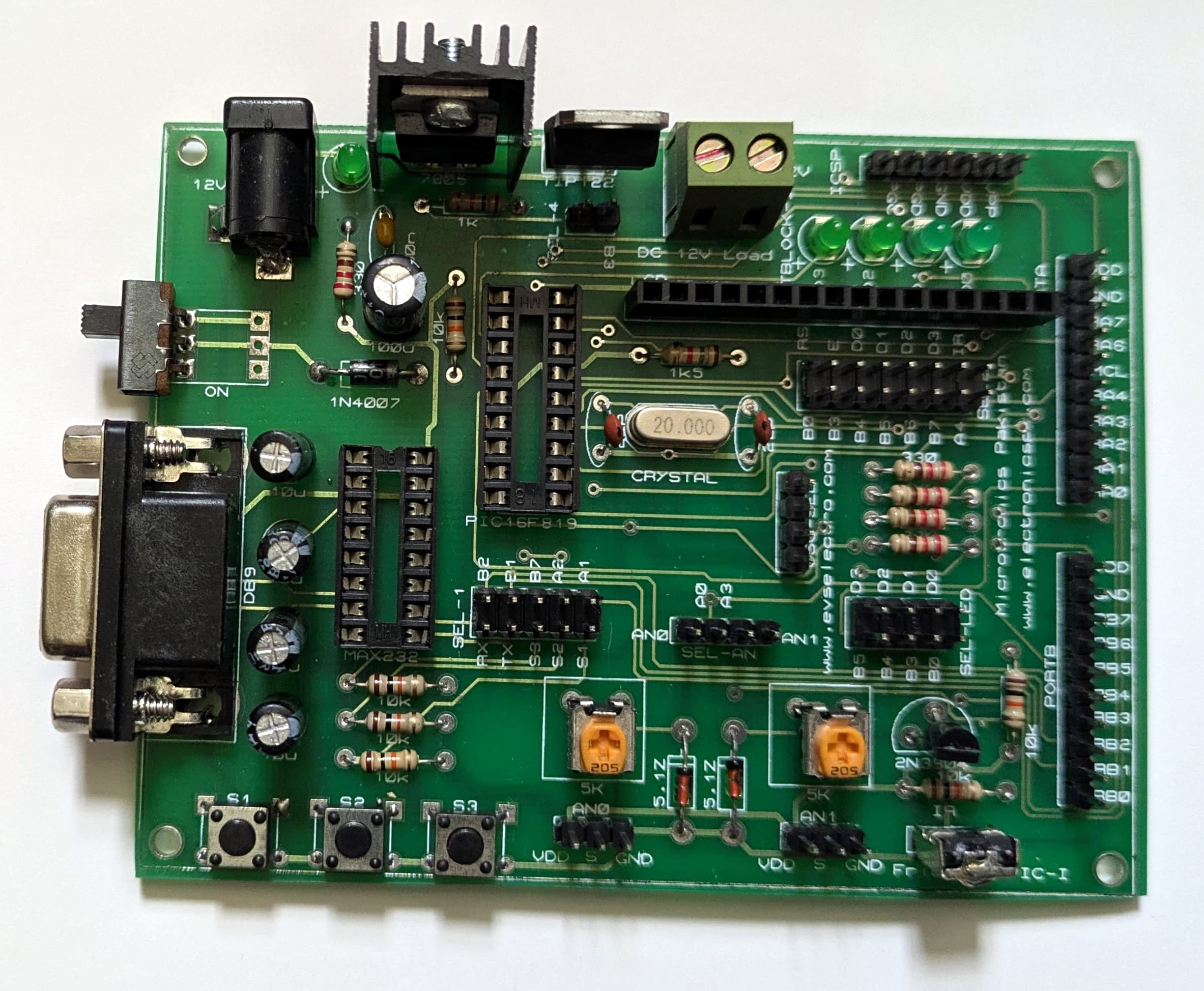
PIC Lab-I Development Board for 18-Pin PIC Microcontrollers
PIC Lab-I Development Board – Supports 18-pin PIC microcontrollers (PIC16F84, PIC16F628, PIC16F819, PIC16F88). Fully equipped with LCD interface, analog inputs, IR sensor, RS232, LEDs, and external load driver for learning and development.
 Amer Iqbal
Project Gallery
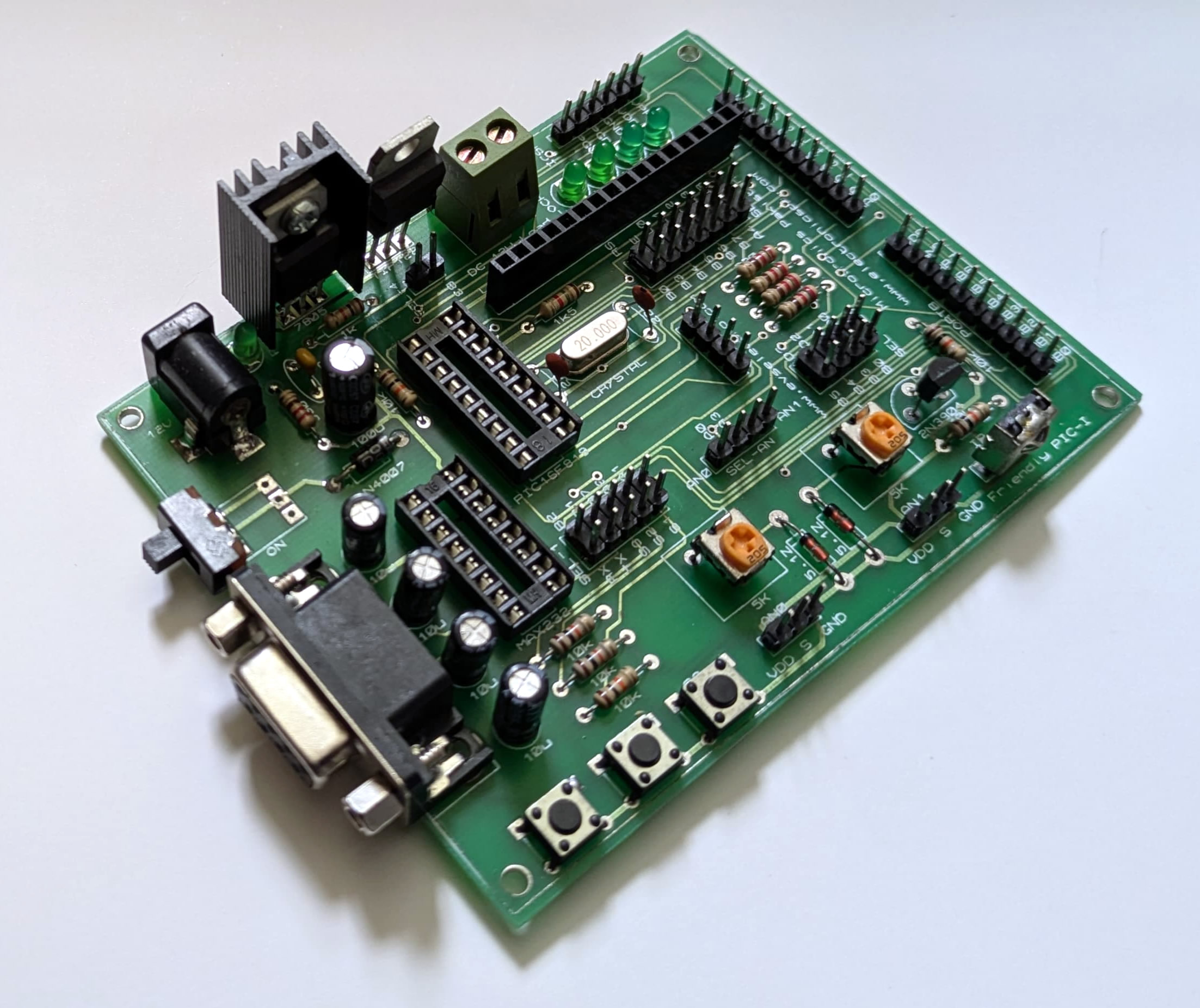
About This Project
🎓 PIC Lab-I Development Board for 18-Pin PIC Microcontrollers – Developed by Mikrotronics Pakistan The PIC Lab-I Development Board by Mikrotronics Pakistan is a powerful and versatile training and development platform designed specifically for 18-pin PIC microcontrollers, including popular models like PIC16F84, PIC16F628, PIC16F819, PIC16F88, and any other pin-compatible PIC microcontroller from Microchip. This board integrates a wide range of practical interfacing components that allow students, hobbyists, and engineers to explore microcontroller fundamentals, hardware interfacing, and embedded systems programming through hands-on experimentation. It offers excellent flexibility through jumpers and headers, giving the user full control over how the onboard devices connect to the microcontroller’s GPIO lines. With its robust design, clear labeling, and comprehensive features, PIC Lab-I is ideal for academic training, prototyping, and proof-of-concept development. ✅ Key Features: 🧩 Supported Microcontrollers: All 18-pin PIC MCUs (PIC16F84, PIC16F628, PIC16F819, PIC16F88, etc.) 🔌 Power Supply: Onboard 5V regulated supply with headers for external device power 🖥️ Display Interface: Supports standard HD44780-compatible character LCD 🔘 Inputs: 3 x Momentary Push Buttons (Active Low) 2 x Potentiometers with 5V Zener Diode Protection for Analog Inputs Headers for analog input (selectable internal 5V or external signal) 📡 Remote Interface: Integrated 38kHz IR Remote Sensor 🔄 Communication: RS232 interface with onboard MAX232 level shifter 🔧 Output Control: TIP120 transistor-based driver for heavy-duty external DC loads 💡 Indicators: 4 x Status LEDs ⏳ Oscillator: 20MHz crystal oscillator (connect/disconnect via jumpers to free up GPIO pins) 🔩 Headers: All GPIO pins accessible via headers for easy external interfacing 🔗 Flexible Connectivity: Onboard devices (LEDs, analog inputs, etc.) can be connected via tab jumpers to pre-assigned GPIOs Can also be routed to any GPIO using jumper wires Option to fully disconnect onboard devices for free GPIO use 🛠️ Programming Interface: In-circuit serial programming header compatible with PICKit programmers and other compatible tools 📐 Layout: Clearly labeled, breadboard-friendly for education and prototyping 🧰 Applications: Academic and vocational microcontroller training Embedded systems learning and demonstrations Peripheral interfacing practice (LCD, IR, analog inputs, serial communication) Prototyping of small automation or control projects STEM educational kits for universities and technical institutes Proof-of-concept development for PIC-based solutions 🔗 Why Choose the PIC Lab-I Development Board? The PIC Lab-I offers unmatched flexibility and comprehensive features tailored to the needs of students, educators, and developers working with 18-pin PIC microcontrollers. With easy-to-use jumpers, onboard headers, and commonly used interfacing components, it provides a complete, ready-to-go solution for exploring microcontroller programming, GPIO, ADC, communication protocols, and hardware control.
Technologies Used
Created By
Amer Iqbal
Full-Stack Developer | Researcher | Embedded Systems
Part of
Mikrotronics Pakistan
Lahore
Project Info
Timeline
Started
January 1, 2010
Completed
December 23, 2010
Duration: 11 months
Similar Projects

CardioDB | Social Network of Cardivascular Professionals
Join the Network of Cardiovascular Professionals
Amer Iqbal
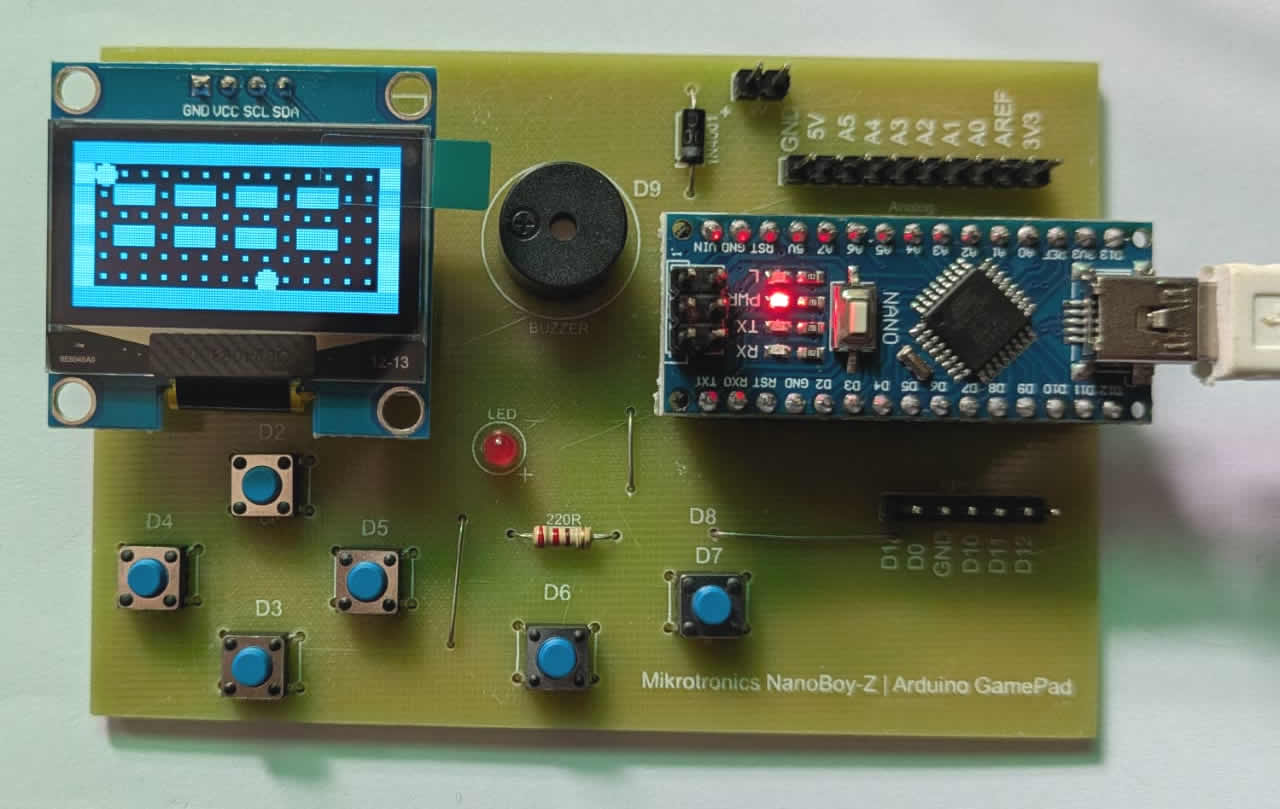
NanoBoy – The Arduino Gaming Console for Learning and Creativity
NanoBoy is a handheld Arduino-based gaming console with OLED display, buttons, LED and buzzer — the perfect platform for students and hobbyists to learn Arduino programming by creating interactive games and projects.
Amer Iqbal
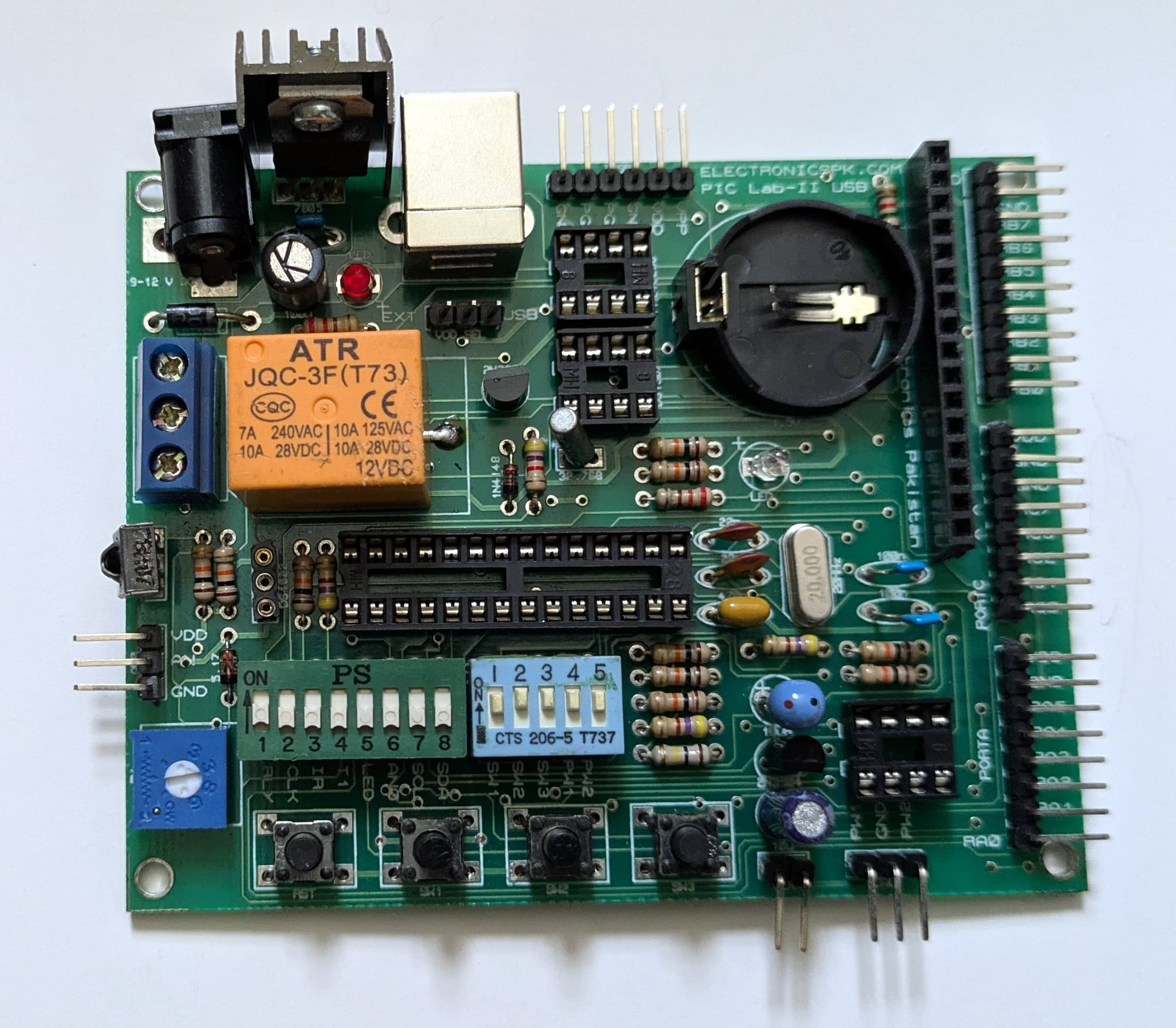
PIC Lab-II Development Board for Microchip PIC18F2550
PIC Lab-II Development Board for PIC18F2550 – 28-pin Microchip PIC microcontroller trainer with USB support, LCD interface, analog inputs, relay, DS1307 RTC, EEPROM, IR sensor, and more. Ideal for USB device development and embedded systems learning.
Amer Iqbal
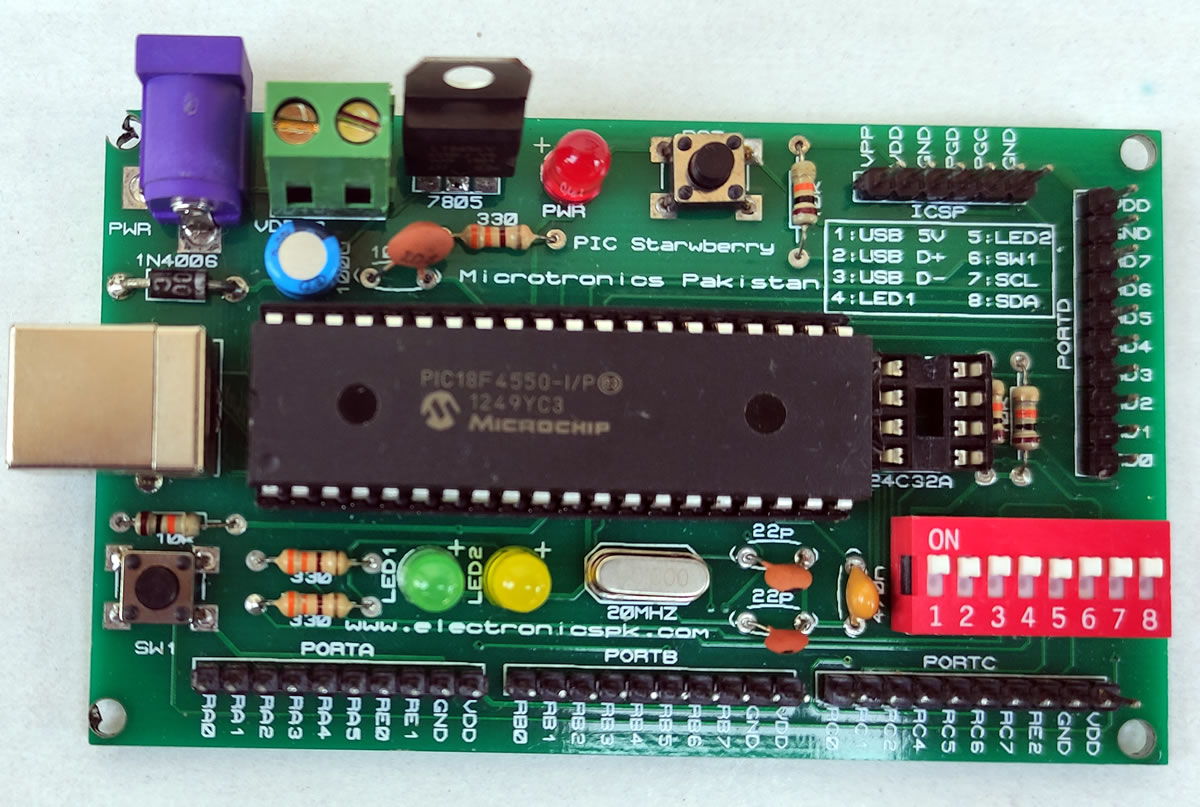
PIC Lab-III Development Board for Microchip PIC18F4550
PIC Lab-III Development Board – Designed for PIC18F4550 and compatible 40-pin DIP PIC microcontrollers. Features USB Type-B, ICSP header, power management, and essential onboard components for embedded system development.
Amer Iqbal
Interested in this project?
Send a message to the project owner